Selecting the perfect lawn mower is not a one-size-fits-all task; it requires a careful assessment of your lawn’s unique characteristics to ensure efficiency, durability, and optimal performance. Far too many homeowners rush into purchasing a lawn mower without taking the time to evaluate their specific needs, only to end up with a machine that fails to meet their expectations. Whether you’re a first-time homeowner tending to a small residential yard or a property manager responsible for maintaining a sprawling landscape, the key to making the right choice lies in understanding two fundamental aspects of your lawn: its total area and its terrain features. These two factors will directly influence every decision you make throughout the selection process, from the engine horsepower and mower type to additional features that enhance usability. Overlooking these critical details can lead to purchasing a machine that is either underpowered and unable to handle the workload, overpriced for the tasks at hand, or ill-suited for your lawn’s unique challenges—all of which result in frustration, increased maintenance costs, wasted time, and even premature equipment failure that requires costly replacements.
The total area of your lawn is the primary determinant of the engine horsepower you will need, as it directly correlates to the amount of work the mower must perform. Different lawn sizes demand different levels of power to ensure that mowing is done quickly, smoothly, and without straining the engine, which can lead to overheating or mechanical breakdowns. For small lawns—typically those under 1,000 square feet, such as small residential yards with minimal grass coverage, narrow pathways, or limited open space—a 3.5 to 5 horsepower engine is perfectly adequate. These engines are specifically designed to handle light to moderate mowing tasks, offering smooth starting, reliable performance, and energy efficiency that keeps operating costs low. Push mowers equipped with pull-start engines are an excellent choice for small lawns, as they require minimal maintenance, operate quietly and smoothly, and are highly convenient to store and maneuver. Their compact size allows for easy navigation around flower beds, trees, bird baths, and other common obstacles, making them ideal for homeowners with limited lawn space who want a simple, no-fuss solution for keeping their grass neat and tidy. Additionally, these push mowers are often more affordable than larger, more powerful models, making them a budget-friendly option for those with small-scale lawn care needs.
When moving to medium-sized lawns—usually between 1,000 and 5,000 square feet—you will need a slightly more powerful machine to handle the increased mowing area without excessive wear and tear on the engine. This size range is common for most residential properties, where the lawn may include a mix of open spaces, curved edges, and scattered obstacles. For homeowners who enjoy the physical activity of pushing a mower and want to stay active while maintaining their lawn, a push mower with a 5 to 6.5 horsepower engine is suitable. However, for those seeking more comfort and efficiency—especially if the lawn has uneven areas or requires frequent mowing—a riding mower with an 8.5 to 12.5 horsepower engine is a better option. Since mowing area correlates directly with engine displacement, it is crucial to prioritize engine durability and lifespan when selecting equipment for medium-sized lawns. Look for engines with high-quality components, such as cast-iron sleeves that protect the engine from wear, heavy-duty air filters that prevent dust and debris from entering the engine, and reliable ignition systems that ensure consistent starting even in varying weather conditions. These features will help the engine withstand prolonged use, reduce the need for frequent repairs, and extend the overall lifespan of the mower, providing better value for your investment over time.
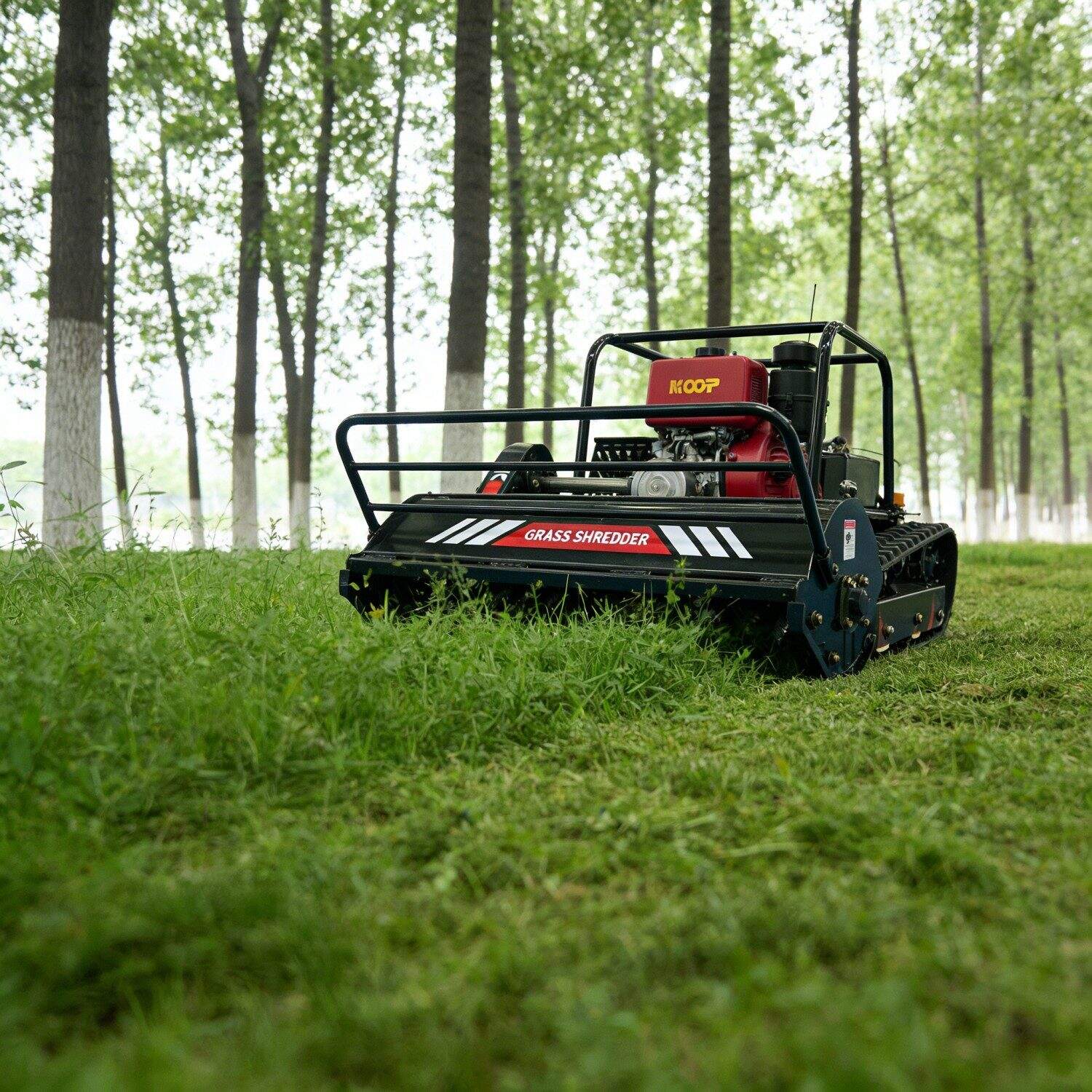
Large lawns—exceeding 5,000 square feet, such as sprawling residential properties, small farms, or commercial landscapes—demand high-powered engines to handle the extensive mowing area efficiently. In these cases, using a small or medium-powered mower would not only be time-consuming but also detrimental to the equipment. Garden tractors with 20 to 25 horsepower engines are the most practical choice for large lawns, as they offer the power and durability needed to tackle vast areas of grass without straining. Using an underpowered mower on an expansive lawn not only prolongs the mowing process—turning a task that could take a few hours into an entire day—but also risks damaging the equipment by forcing the engine to work beyond its capacity. This overexertion can lead to overheating, premature engine wear, and costly repairs or replacements. A 22 horsepower mower is a popular and reliable option for large lawns, as it strikes a perfect balance between power and fuel efficiency. It ensures that even the largest areas are mowed quickly and effectively, while also conserving fuel and reducing operating costs. Additionally, many garden tractors designed for large lawns come with features like wide cutting decks, which further reduce mowing time by covering more area with each pass.
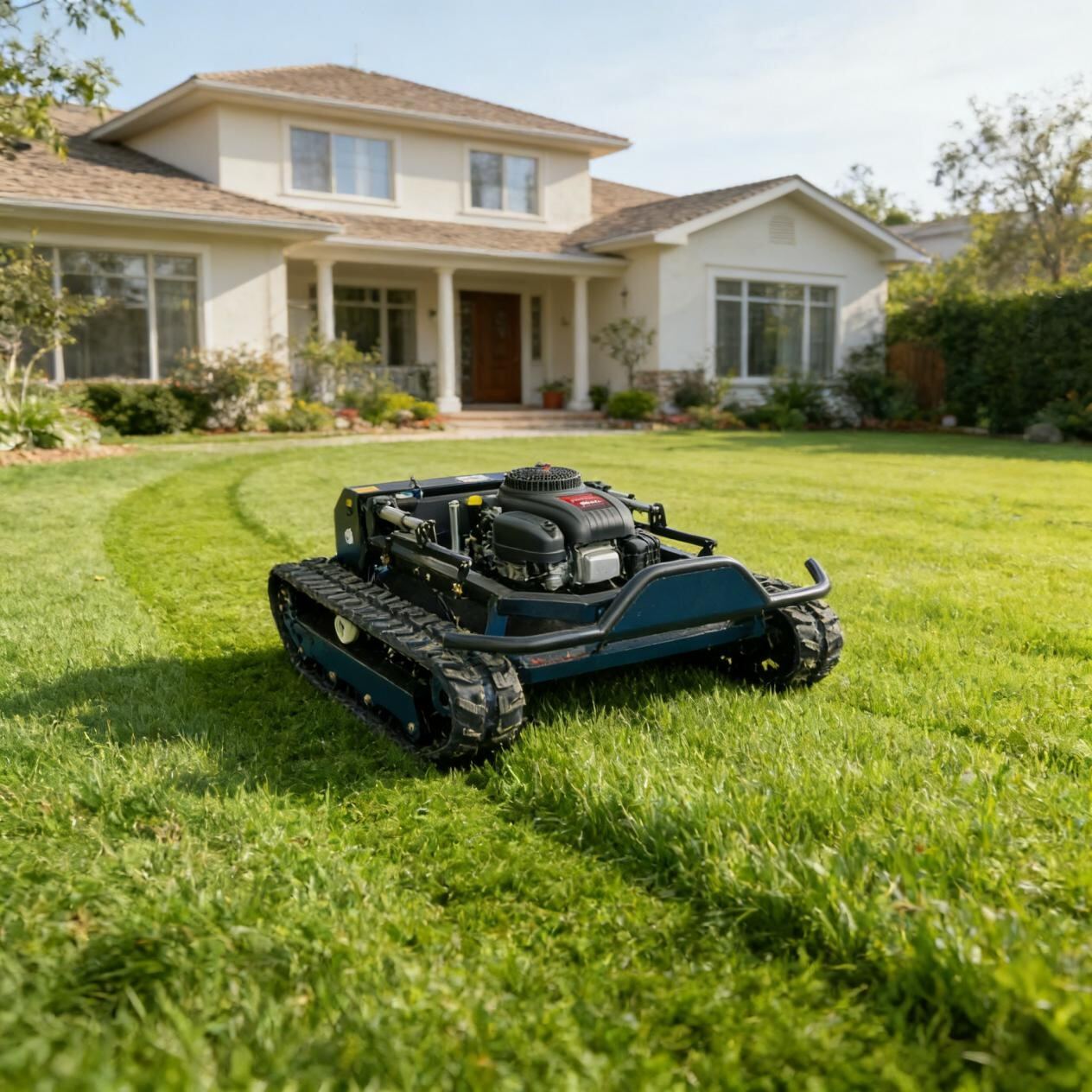
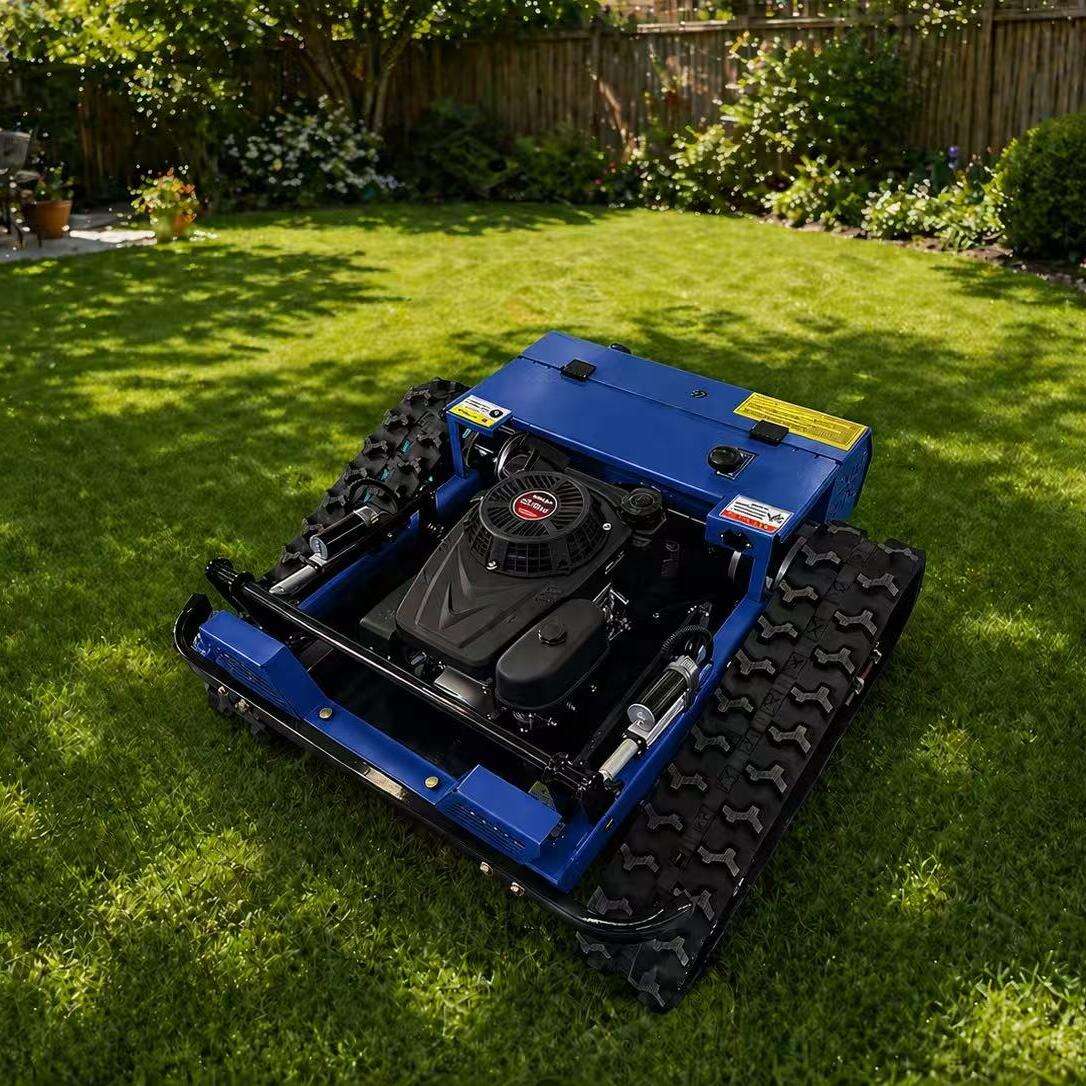
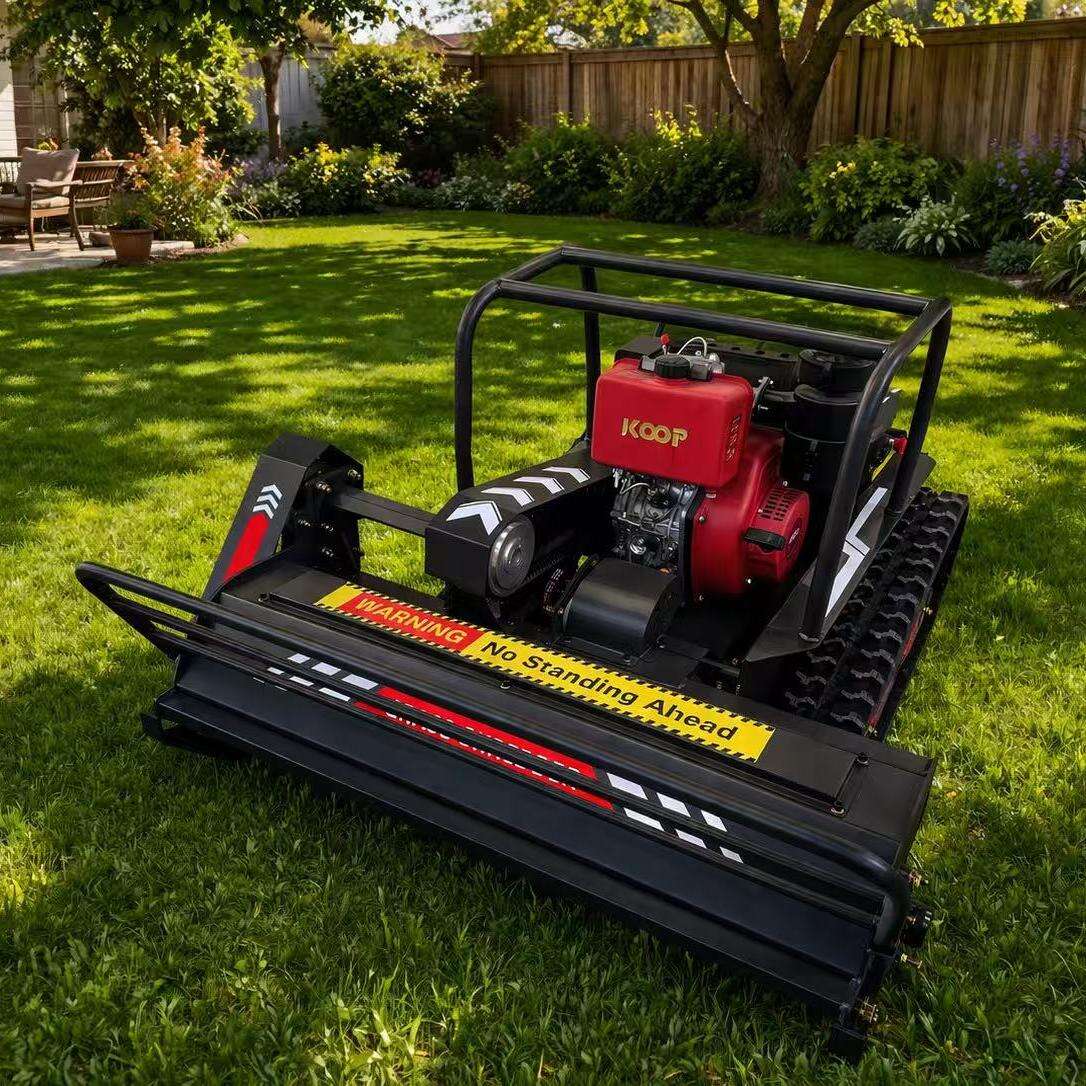
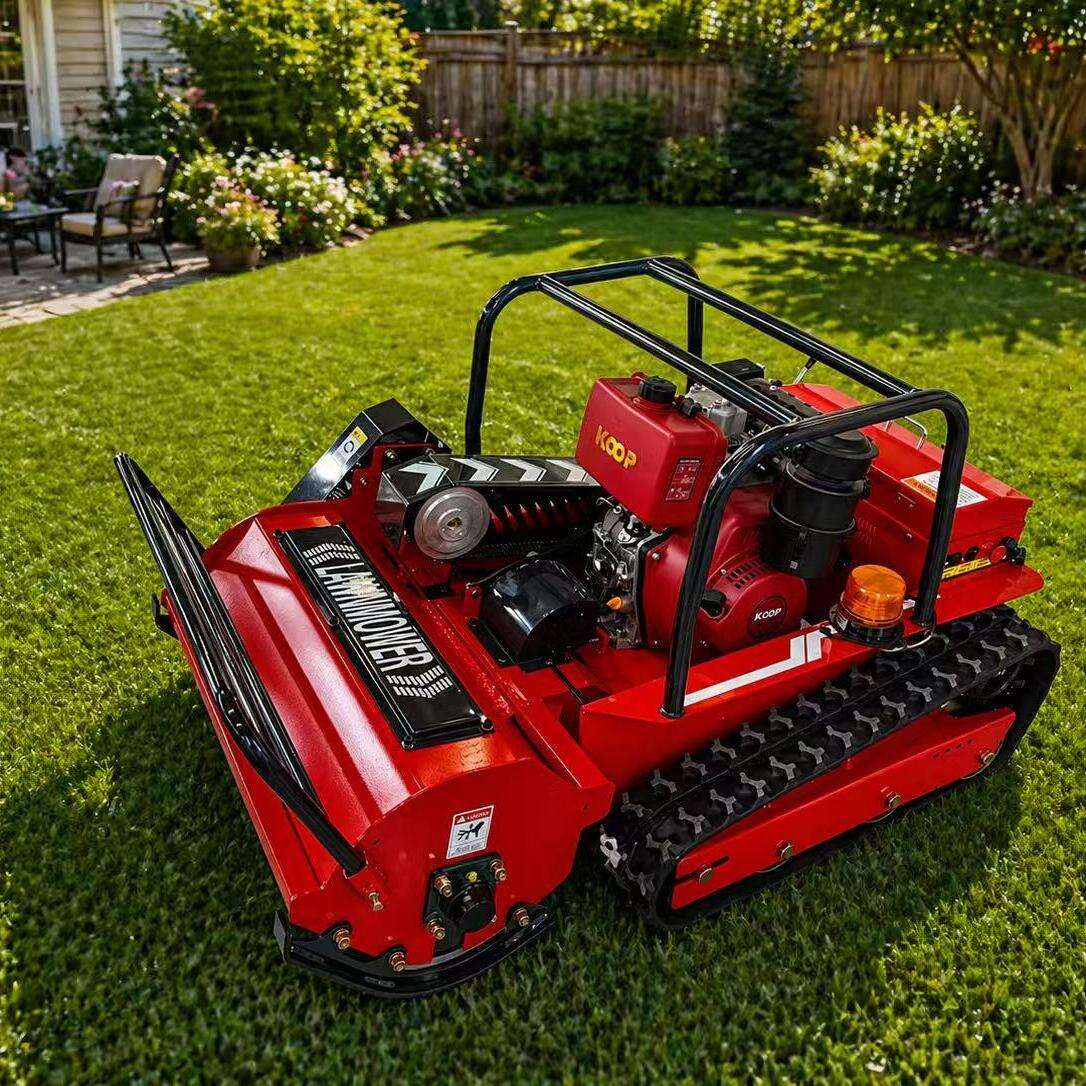
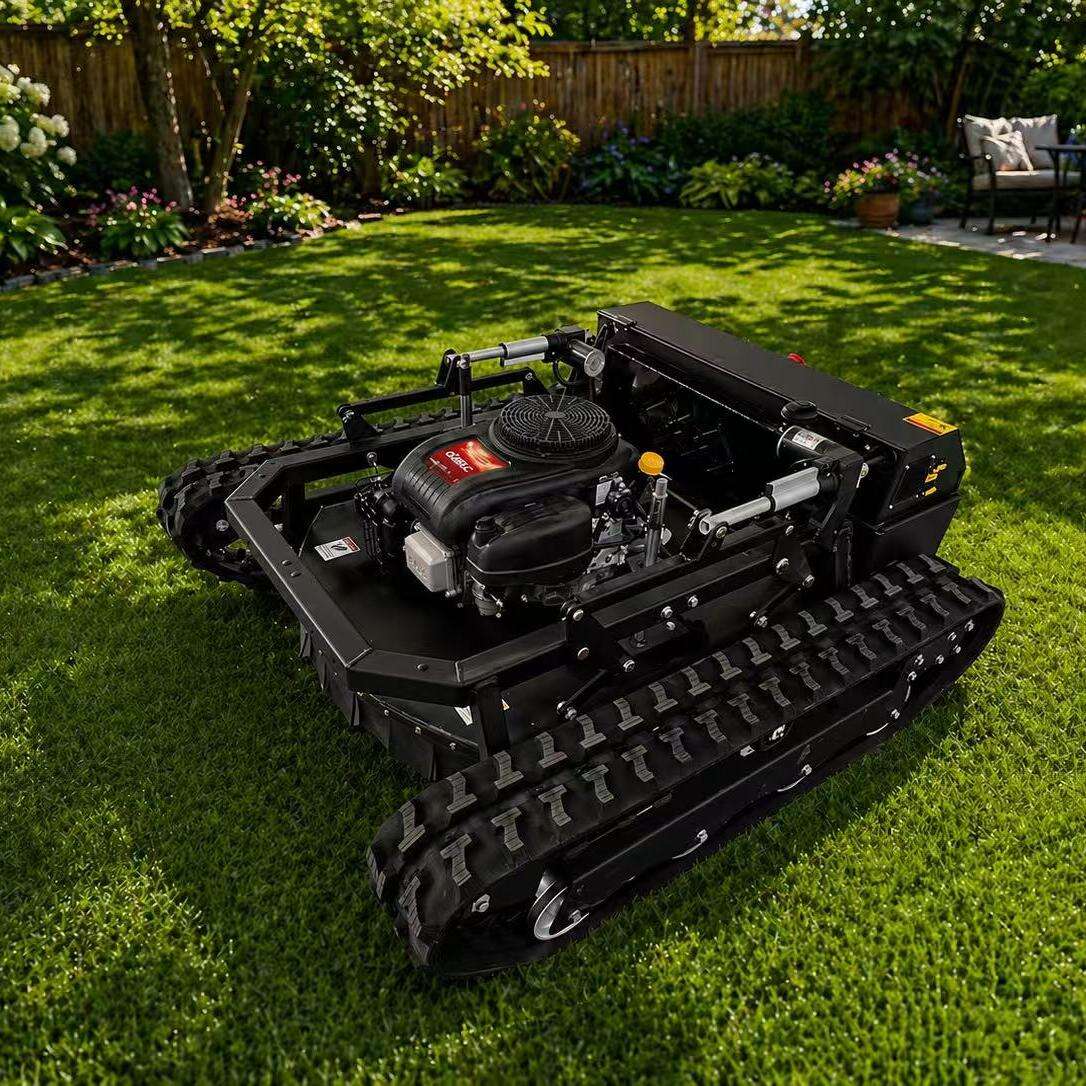
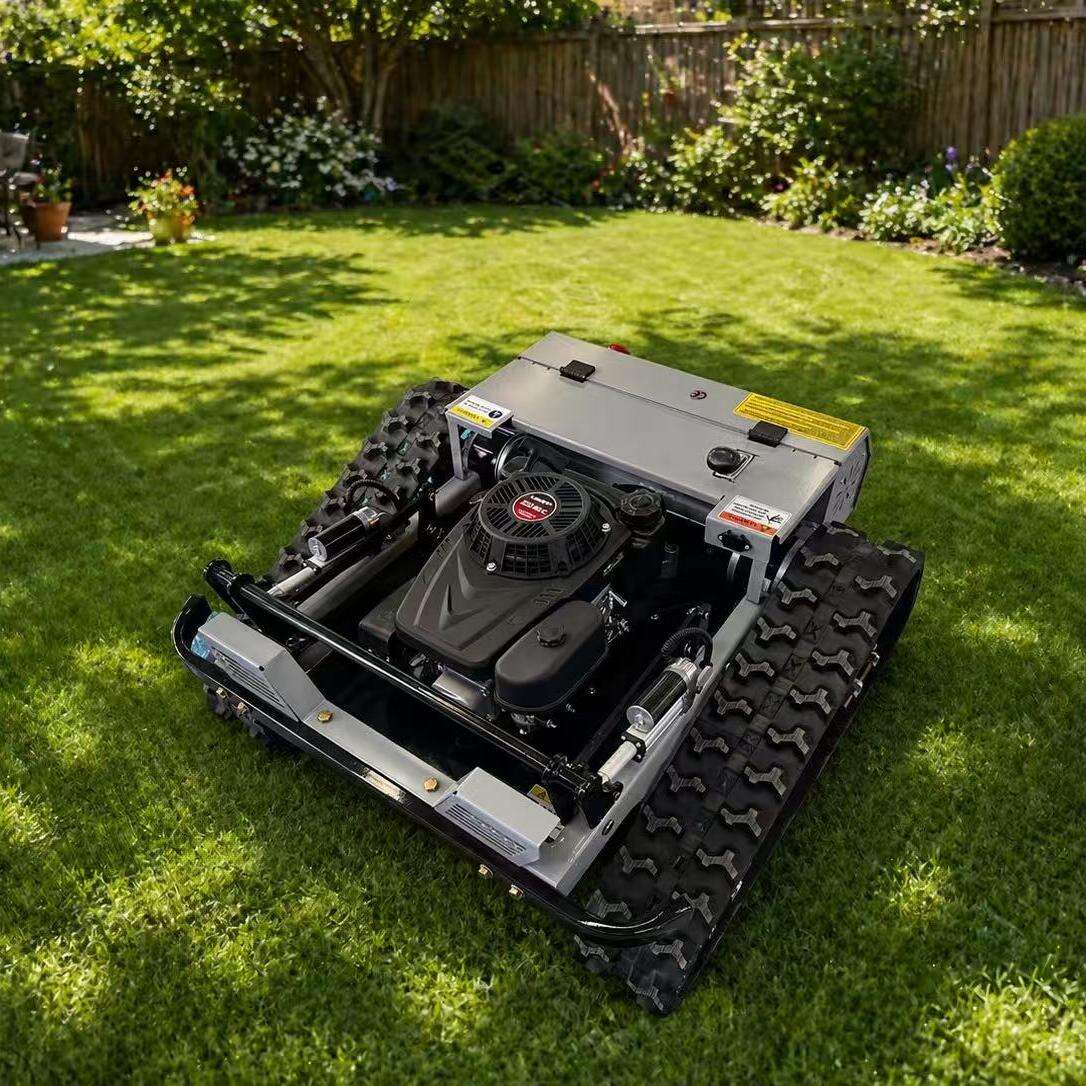
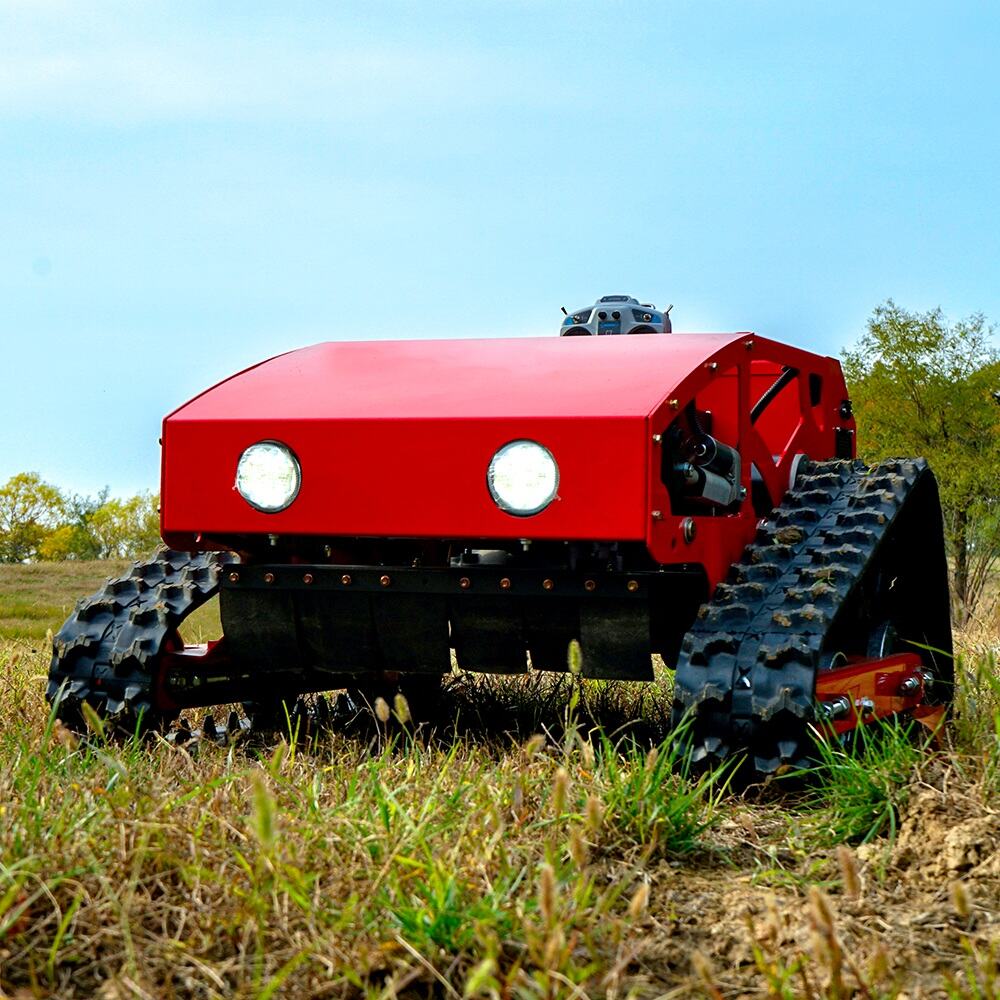
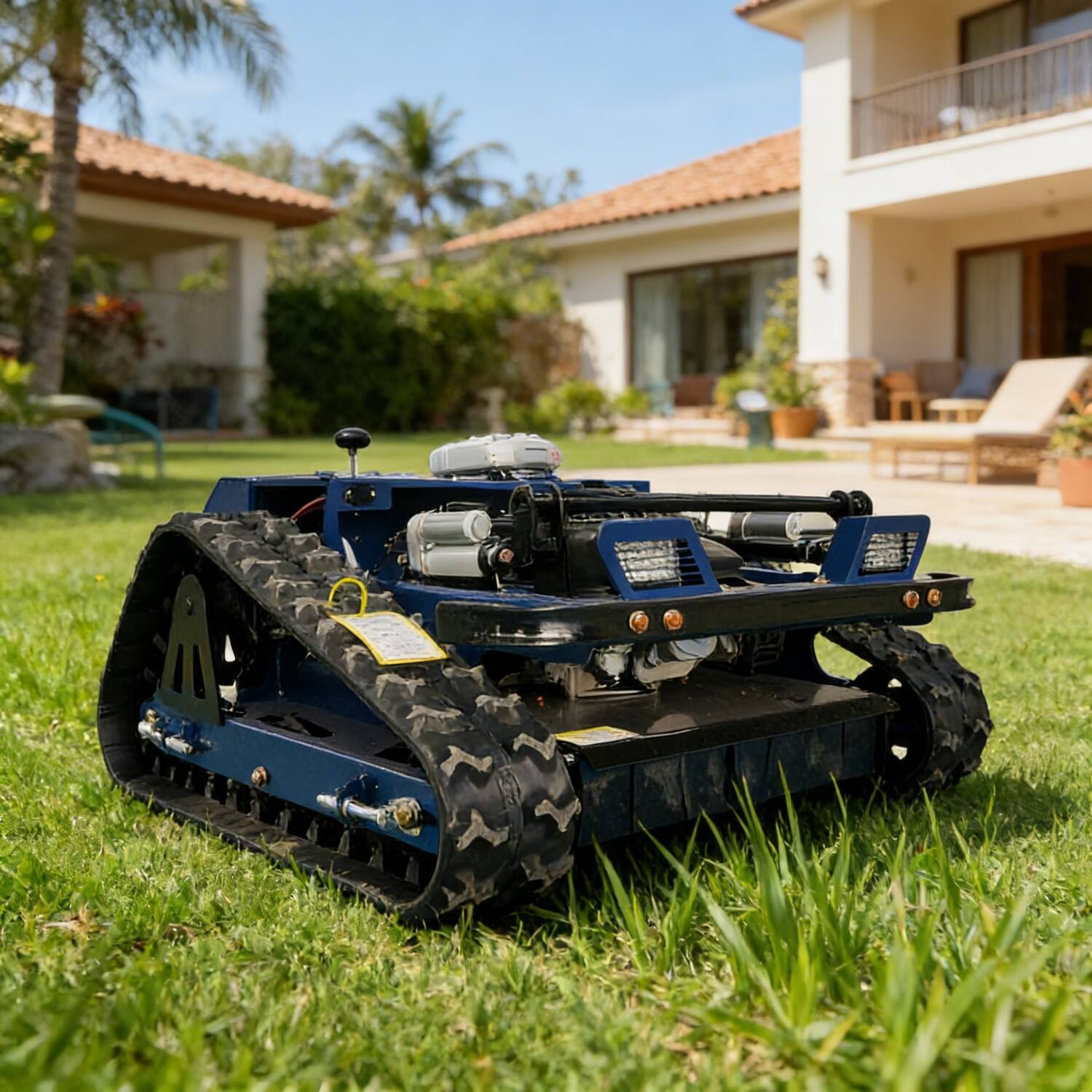
Beyond lawn size, terrain features play an equally important role in selecting the right lawn mower, especially for large, hilly yards with numerous surface obstacles—such as steep slopes, thick brush, scattered debris, or uneven ground. These lawns require a machine that can tackle steep inclines without losing power or traction, navigate tight spaces between obstacles like trees or rocks, and perform multiple tasks beyond just mowing. Our products are specifically designed to meet these challenges, offering versatility that makes them a cost-effective solution for homeowners with complex, large lawns. In addition to mowing, our mowers can perform a variety of tasks, including raking leaves, sweeping debris, transporting small loads, towing light equipment, tilling soil for gardens, and weeding flower beds. This multi-purpose functionality eliminates the need to purchase separate tools for each lawn care task, saving you time, money, and valuable storage space. Investing in a multi-purpose machine not only streamlines your lawn care process but also ensures that every aspect of your lawn maintenance is efficient and effective, from mowing to landscaping.
In summary, selecting the right lawn mower is a decision that should not be taken lightly. It requires a clear understanding of your lawn’s area and terrain, as well as a consideration of your own preferences for comfort and functionality. By matching the engine horsepower to the size of your lawn—whether small, medium, or large—and choosing a mower type that suits the terrain’s complexity, you can ensure that your mowing tasks are done quickly, efficiently, and without unnecessary stress on the equipment. Taking the time to assess your needs, research different models, and prioritize quality and durability will help you make an informed decision that will serve you well for years to come. Whether you have a small, simple lawn that requires a basic push mower or a large, hilly landscape that demands a powerful, multi-purpose garden tractor, the right lawn mower will make lawn care a manageable, even enjoyable, task rather than a frustrating chore.
 Hot News
Backed by more than 10 years of professional manufacturing experience, we continuously provide global customers with highly reliable, efficient and multi-functional overall solutions for construction machinery.
Wangyin Police Station, Huangwang Road, Yanzhou District, Jining City, Shandong Province, 88 meters east of the road, north side
Copyright © 2026 Shandong Guchi Machinery Manufacturing Co., Ltd. All rights reserved. Privacy Policy
 EN
EN